Special education curriculum is designed in a special way to suit students who face difficulties in normal learning environments because of their different needs and challenges. Every student has different learning abilities, and it is important to support them according to their needs so that they can learn with full assistance. This curriculum is designed with the idea that every learner should be given an appropriate and supportive learning environment where they can progress according to their own pace and style.
The purpose of the special education curriculum is not just to impart academic knowledge but also to support the social, emotional, and physical development of students. This curriculum is designed in such a way that it is individualized, which is, changes are made according to the specific needs of each student. Nowadays, the concept of inclusive education is becoming very popular, where special learners are also included in mainstream schools, but some adjustments and resources are required in the curriculum to help them.
In this blog, we will see how special education curriculum is designed and adapted so that all types of learners can get support. Along with this, we will also talk about teaching methods, the role of technology, and the excellent collaboration of educators and families, which makes this process successful.
Key Principles of Designing a Special Education Curriculum:
When designing a special education curriculum, it is important to keep some basic principles in mind so that every learner can be supported in the best way. The first principle is inclusion, that is, every student, regardless of his or her learning ability, should be included in an inclusive environment. This does not mean that everyone should be taught in the same way, but rather that changes and support should be provided according to the unique needs of each student.
The second principle is individualization. The learning speed and style of every student are different, so the curriculum should be designed in such a way that it creates a personalized learning plan for each student. Individualized Education Plans (IEPs) are a good example of this, which identify students’ specific needs and create customized goals and strategies for them.
The third principle is accessibility, which means that the curriculum is flexible and adaptable enough for every student to access it. This includes accessible learning materials, such as large print, braille, or audiobooks, so that differently-abled students have equal opportunities.
These principles make special education curriculum accessible and understandable so that every learner can reach their full potential and progress in life. Without these principles, the curriculum remains useless and the needs of the students are not met.
Adapting Teaching Methods to Meet Diverse Needs:
In special education, it is important to adapt teaching methods to meet the needs of all types of learners. Every student has a different learning style and ability, so teachers have to be flexible and creative to help them. For example, some students are visual learners who find it easier to understand using images, charts, and videos. Some are auditory learners who learn best from lectures and discussions. Kinesthetic learners benefit more from practical and hands-on activities.
Therefore, teachers should plan their lessons in a variety of ways, including interactive activities, group work, and the use of technology. Accommodations such as allowing extra time, simplified instructions, and providing one-on-one support are also important. These changes are especially helpful for students who have learning difficulties or disabilities.
The classroom environment also needs to be adapted, such as noise control, seating arrangements, and creating sensory-friendly spaces, so that students can maintain focus. There should also be flexibility in assessment methods, such as oral exams or project-based assessments, so that students can perform according to their strengths. Adapting teaching methods in this way makes the lesson meaningful and effective for special learners so that they can achieve their full benefit.
Role of Technology in Supporting Special Education:
Technology plays an important role in special education because it provides new ways and tools for learners that make their learning easier and interactive. Assistive technology, such as screen readers, speech-to-text software, and communication devices, is very helpful for students who have difficulty with traditional learning methods.
Digital tools and apps help give students personalized learning experiences. For example, interactive educational games and multimedia content increase student engagement and can make their learning fun and interesting. Technology also allows teachers to adapt their lessons to suit each student’s needs, such as by using digital whiteboards and online resources.
Technology also makes remote learning possible, which is beneficial for students who cannot attend physical schools. Virtual classrooms, video tutorials, and online assignments allow them to learn at their own pace. Additionally, technology improves communication between parents and educators to keep track of students’ progress. All of these things make technology an integral part of special education, which improves the learning capabilities of students and promotes their independence.
Collaboration between Educators, Families, and Specialists:
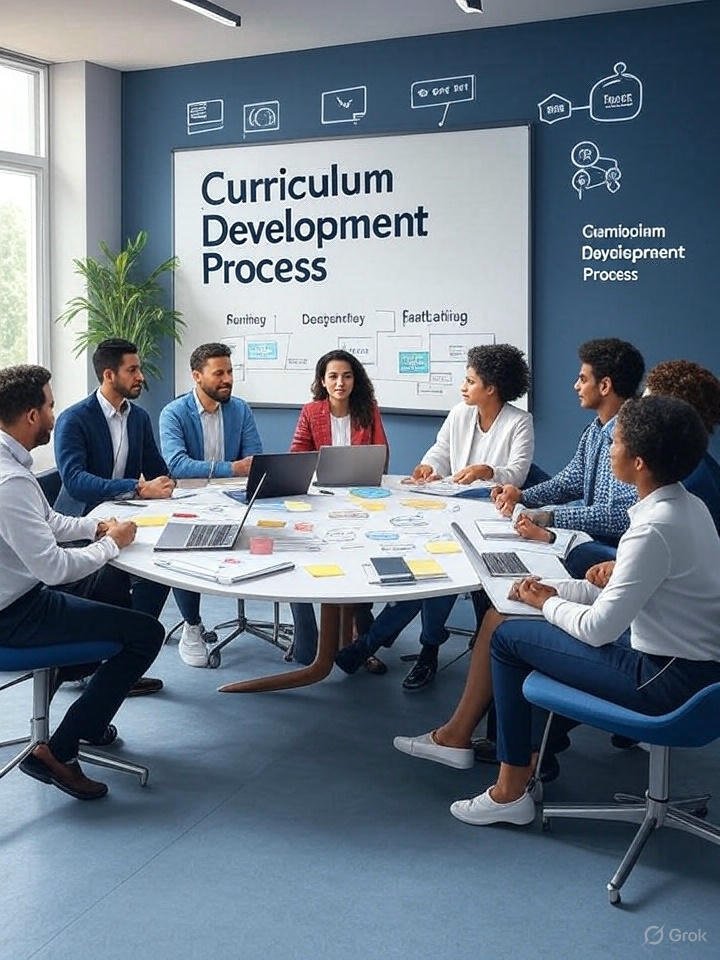
Good collaboration between educators, families, and specialists is vital to the success of a special education curriculum. Teamwork is essential to understand and support each student’s learning needs. Teachers and special educators share their expertise to best implement the curriculum.
The role of parents is also very important as they best understand their children’s daily routines and needs. Their feedback and support are vital in curriculum adaptation. Regular meetings and communication ensure that students receive consistent support at home and school.
Specialists such as speech therapists, occupational therapists, and psychologists are also part of the team who address students’ specific problems and suggest specialized strategies. This multi-disciplinary approach provides holistic support to students that improves both their learning and development.
Good collaboration helps address challenges quickly and find the best solution. This makes curriculum implementation more effective and smoother as each learner has an opportunity to learn according to his or her capabilities.
Conclusion:
The purpose of a special education curriculum is to provide every learner with the support and opportunities they need to learn in full collaboration. Creating an inclusive learning environment requires designing a curriculum that recognizes diversity and addresses the individual needs of every student.
Adapting teaching methods, leveraging technology, and collaboration among educators, families, and specialists play an important role in this process. When we all work together on these things, we create a collaborative environment where every learner has an equal opportunity to improve their learning.
Inclusive education is not just limited to academic progress but also promotes the social and emotional development of students, which makes them confident and independent in every phase of their lives. A curriculum that is accessible and adaptable to all types of learners strengthens our teaching system and promotes social equality.
In the end, it would be appropriate to say that the success of the special education curriculum is our collective responsibility, and giving due consideration to it is very important for our future.
FAQs:
- What is curriculum implementation, and why is it important?
Curriculum implementation refers to the process of delivering the planned syllabus, goals, and educational programs to students. It is important because having a well-developed curriculum alone is not enough success depends on how well it is executed in real classrooms to meet learning objectives. - What are the most common challenges faced during curriculum implementation?
The most common challenges include lack of resources (like textbooks and technology), insufficient teacher training, varying student learning styles, lack of parental involvement, and poor infrastructure. These obstacles make it difficult to create an effective learning environment. - How does teacher training impact curriculum success?
Proper teacher training helps educators understand and deliver the curriculum effectively using modern teaching methods. Without training, teachers often rely on outdated techniques, leading to inconsistent instruction and lower student performance. - Why are student-related issues considered a major hurdle in curriculum implementation?
Each student has a different learning style and motivation level. If the curriculum does not cater to these differences, students may lose interest. Additionally, issues like irregular attendance and lack of discipline can hinder the overall learning process. - What strategies can help overcome curriculum implementation challenges?
Some effective strategies include providing regular teacher training, ensuring sufficient educational resources, promoting student-centered learning, improving communication among stakeholders, and integrating technology into classrooms. These steps can significantly improve curriculum delivery and student outcomes.

